Wildlife and whale-watching: when and where to look

Best times: spring (March–April) for migrating gray whales moving north close to shore, and late summer–fall for increased humpback feeding activity in Monterey Bay. Best places to look are the resort's Beach Bluff, the private beach at low tide, and from high-elevation rooms and patios that face the ocean.
In this guide
When to go for whales and marine mammals
Spring (March–April) is the primary window for spotting migrating gray whales moving north along the coast; they can be visible fairly close to shore in Monterey Bay during that migration.
Late summer into fall brings more humpback activity and peak feeding in the bay, increasing the chance of surface behaviors such as breaching and lunge-feeding.
- March–April: gray whale northbound migration (shorelines can show passing animals)
- Late summer–fall: more humpback feeding activity in Monterey Bay
- Year-round: seals, sea lions, and sea otters are commonly present in the region, and shorebird activity is strong near wetlands and the dunes
| Season | What to expect |
|---|---|
| Spring (Mar–Apr) | Gray whale migration; good shore viewing opportunities |
| Summer (Jun–Aug) | Cleaner weather later in day; marine mammals active but variable |
| Late summer–Fall | Humpback feeding increases in Monterey Bay |
Best shore-based places at Sanctuary Beach Resort
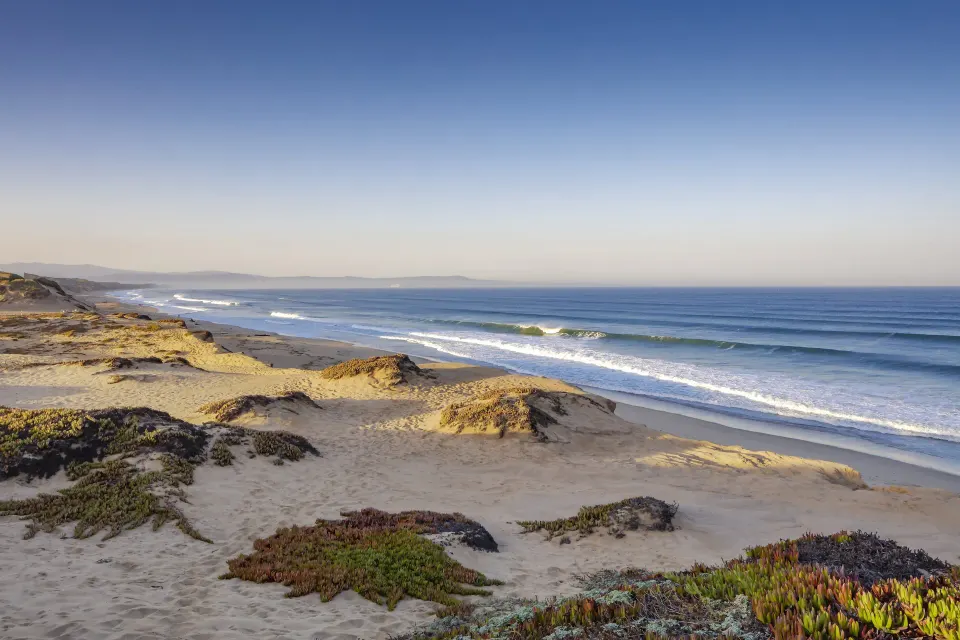
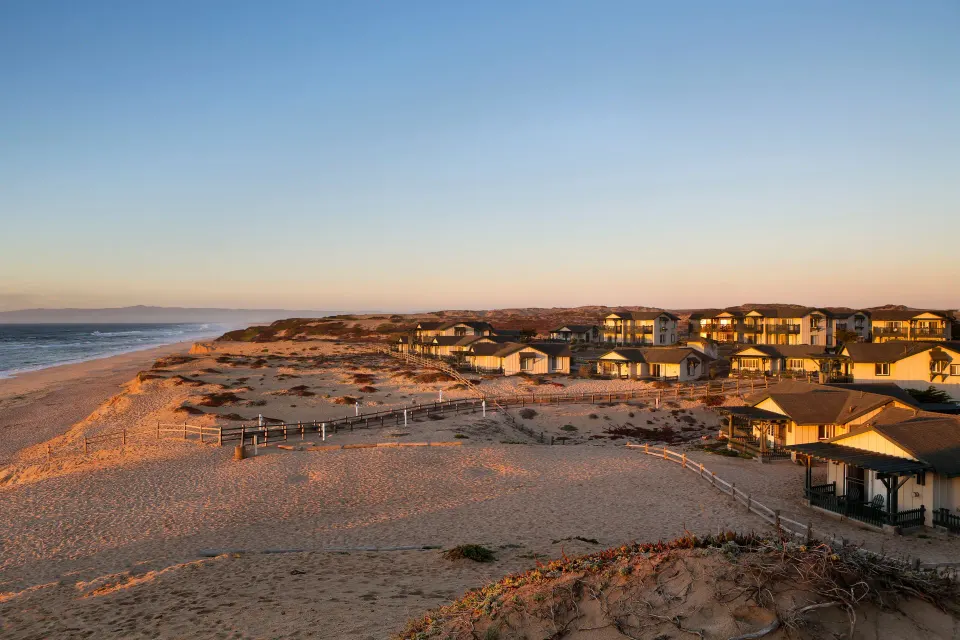
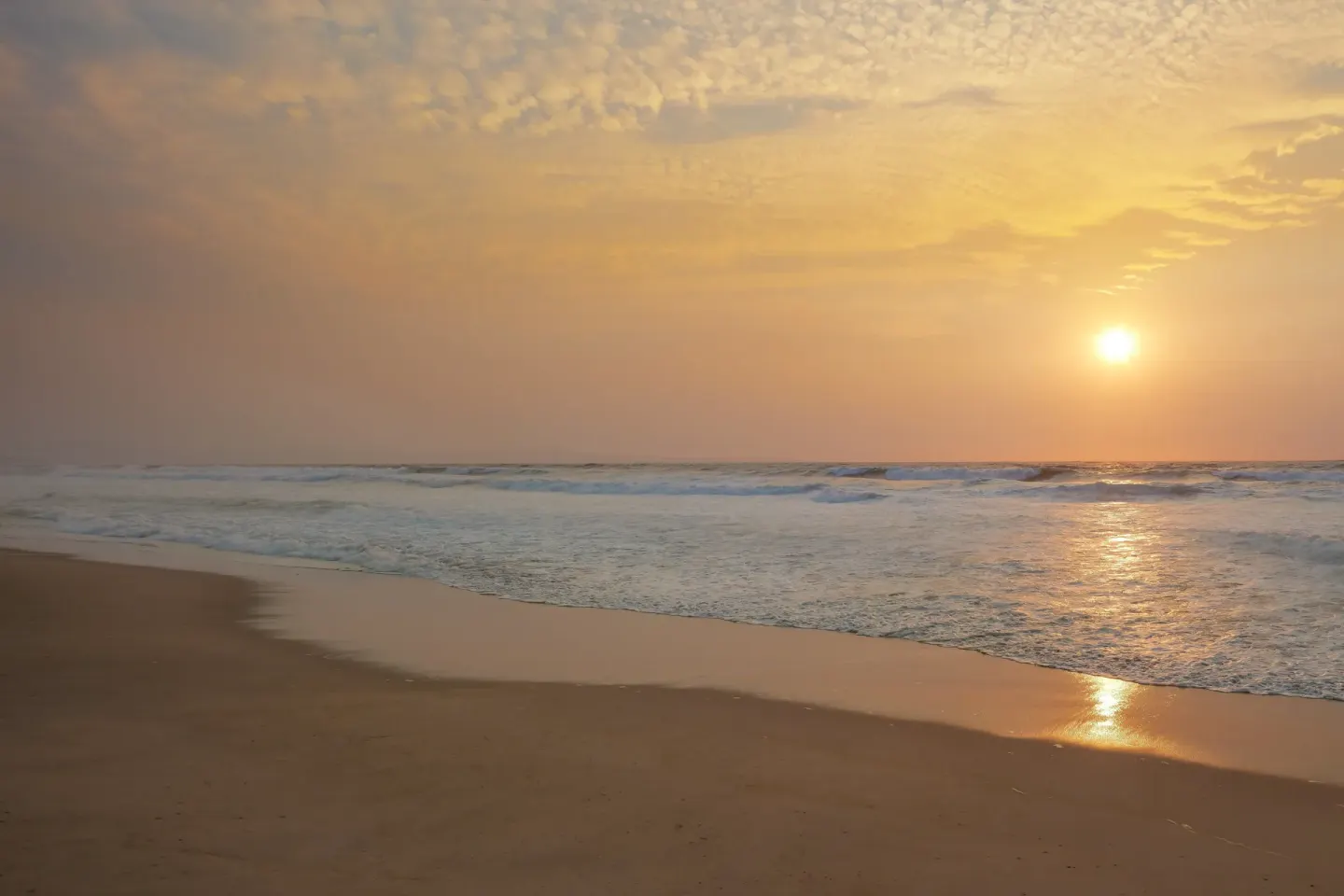
Use the resort's private beach and the Beach Bluff for shore viewing; both give wide sightlines over Monterey Bay and are listed as on-site guest features.
High vantage points at the bluff and resort patios work well when the marine layer clears — you can watch a wide stretch of ocean without leaving the property.
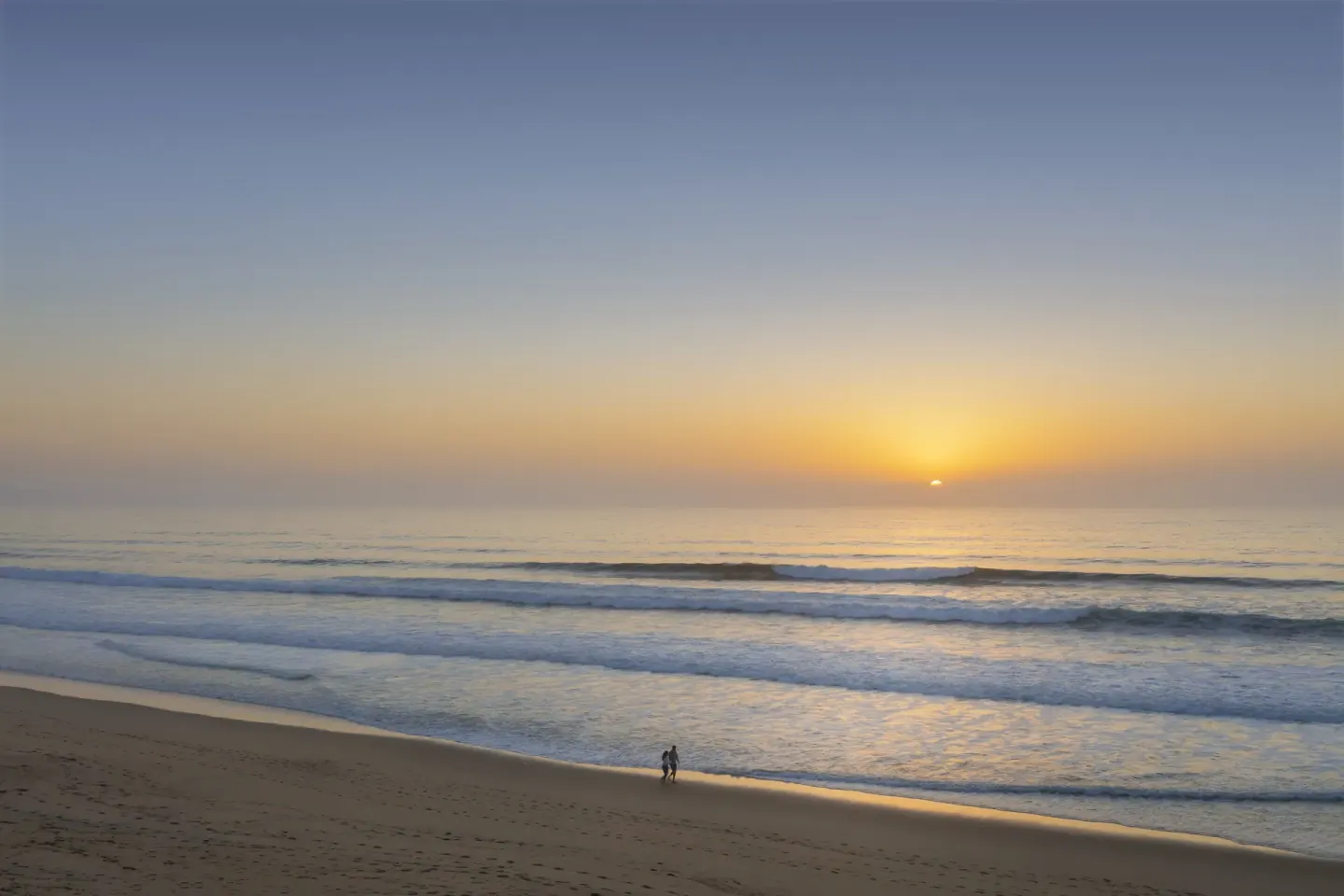
- Beach Bluff: a private ceremony and viewing spot overlooking the bay (good for sunset watches)
- Private beach: walk the shoreline at low tide to scan for blow spouts and surface activity
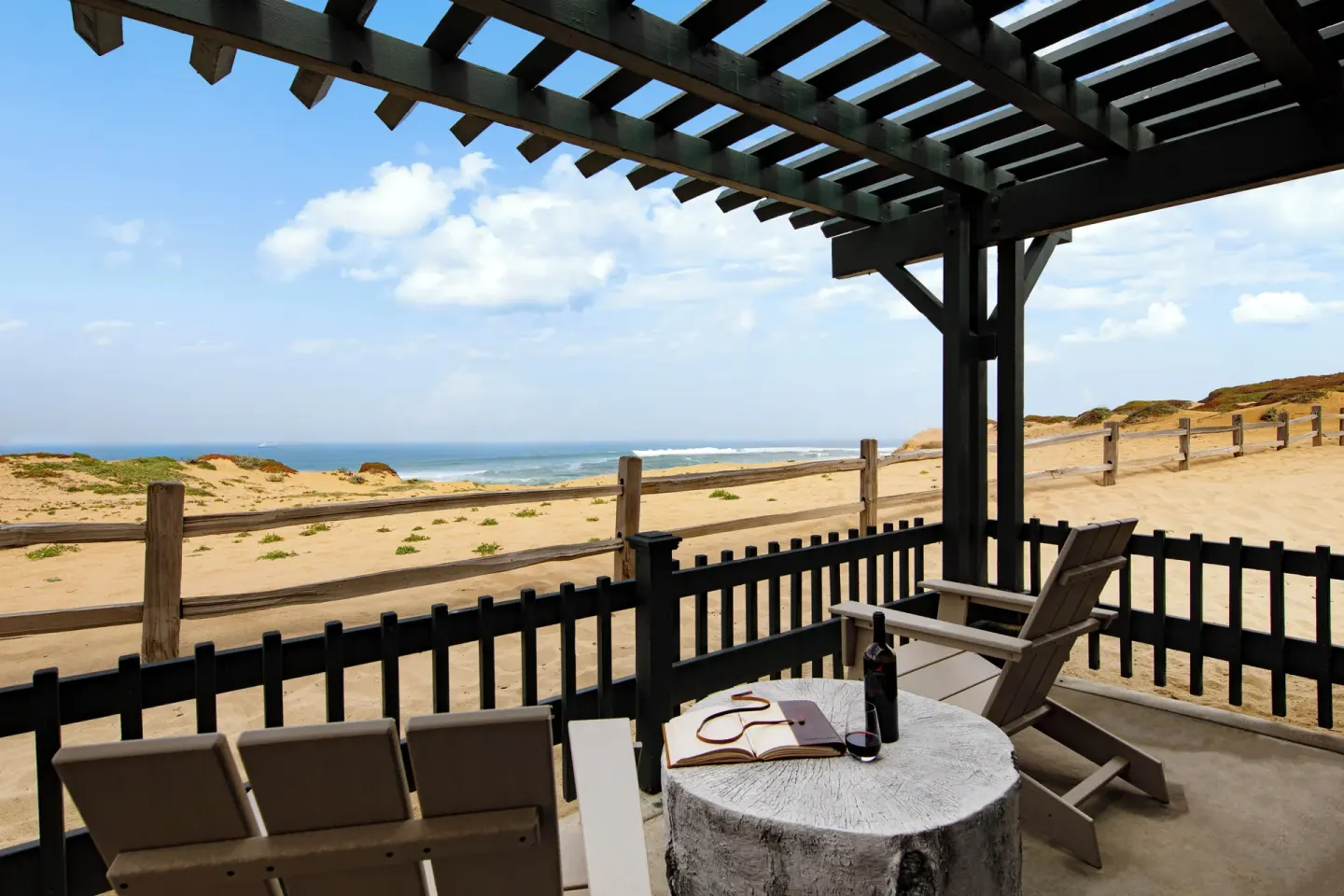
- Patios and balconies: rooms with oceanfront views provide raised, comfortable vantage points
| Spot | Why it helps |
|---|---|
| Beach Bluff | Elevated view, wide angle over the bay |
| Private beach | Close to shore for sightings during migration |
| Oceanfront room patios | Comfortable, private viewing from your accommodation |
Boat trips and guided whale-watching
The resort's Guest Experience Team can arrange whale-watching excursions in Monterey Bay with local operators. Boat trips put you closer to feeding areas and are the best option for seeing humpbacks and large numbers of animals.
If your priority is whales, ask the concierge about reputable local operators, departure ports, trip length, and what species are most likely for the season you plan to travel.
- Ask the Guest Experience Team to recommend licensed Monterey Bay outfitters
- Morning trips can avoid afternoon wind and chop; operators typically provide safety briefings and flotation
- Boat trips increase chances to see humpbacks, blue whales (seasonal), and close-range behaviors not visible from shore
| From the resort | What they can arrange |
|---|---|
| Guest Experience Team | Whale-watching boat trips, kayak tours (Elkhorn Slough), and other marine excursions |
| Self-book | Choose departure point in Monterey or Moss Landing depending on operator |
| Timing | Trips vary by operator; confirm species focus and duration |
What wildlife you might see nearby
Gray whales during migration and humpback whales during feeding seasons are the two headline species for Monterey Bay; other cetaceans may appear depending on food and ocean conditions.
Closer to shore and in nearby estuaries you can expect seals, sea lions, and sea otters, plus shorebirds and migratory birds in the Salinas River and dune habitats.
- Gray whales (spring migration)
- Humpback whales (late summer–fall feeding)
- Seals and sea lions (year-round)
- Sea otters (nearby Elkhorn Slough kayak trips)
- Shorebirds and raptors at wetlands and dunes
| Species | Where to look |
|---|---|
| Gray whale | Offshore during March–April migration; visible near shore |
| Humpback whale | Feeding areas in Monterey Bay late summer–fall; surface behaviors possible |
| Sea otter / seals | Elkhorn Slough kayak tours, rocky shorelines, and nearshore kelp areas |
Where to stay at the resort for the best views
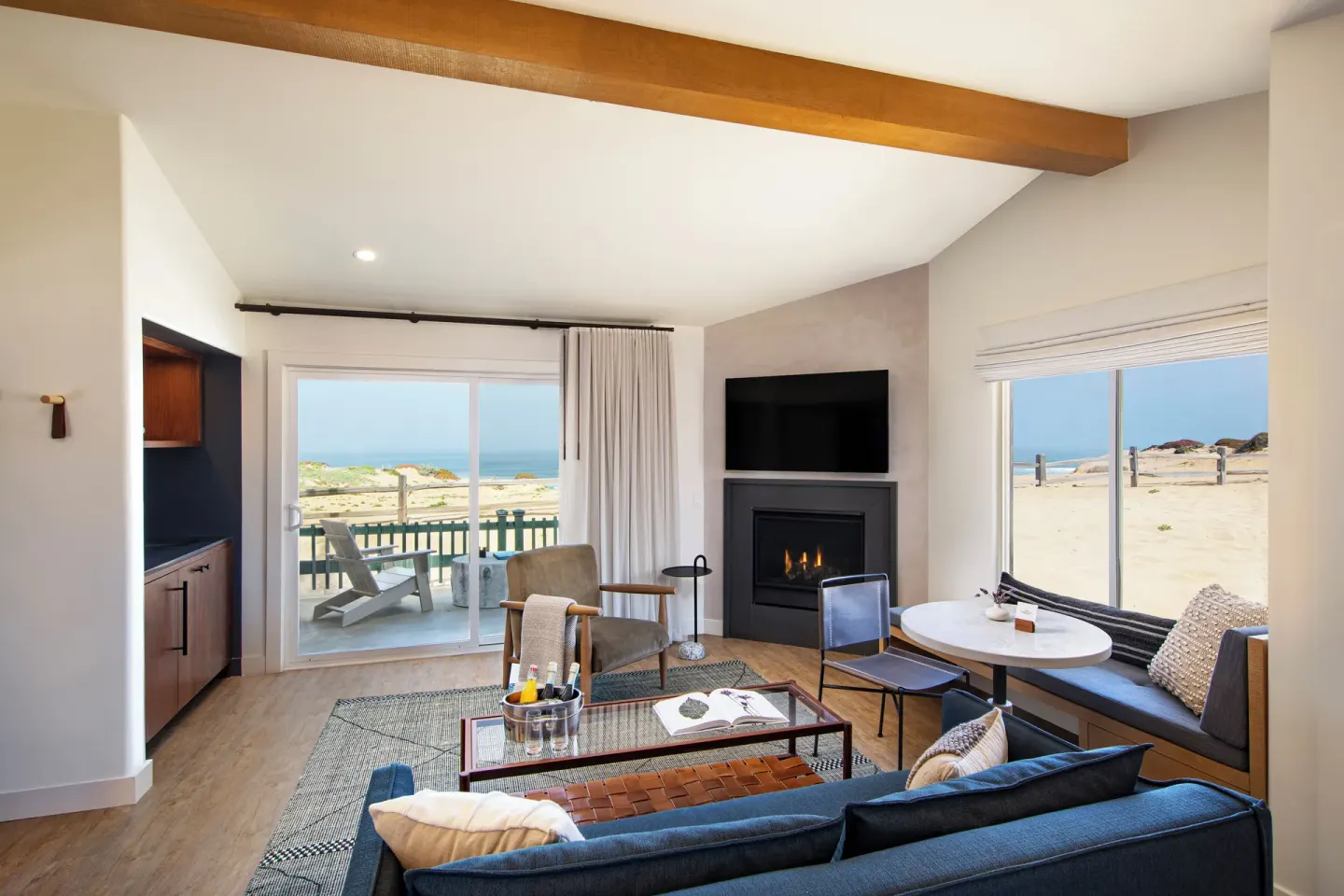
Rooms with 'Oceanfront' or 'Ocean View' in the name give the easiest access to private patios and elevated sightlines. Options include Panoramic Room, Panoramic Suite, Deluxe Room, Oceanfront, and Junior Suite, Oceanfront.
If you want a private patio to watch from, check Panoramic Room, Panoramic Suite, or Deluxe Room, Oceanfront when you reserve; these room types are described in the resort's room list as ocean-facing options.
- Panoramic Room, Oceanfront — room name indicates oceanfront views
- Panoramic Suite, with Sofa bed, Oceanfront — larger space with ocean views
- Deluxe Room, Oceanfront and Junior Suite, Oceanfront — other ocean-facing choices
| Room name | Why choose it |
|---|---|
| Panoramic Room, Oceanfront | Direct ocean views and patio for shore watching |
| Panoramic Suite, with Sofa bed, Oceanfront | More space and seating for group viewing |
| Deluxe Room, Oceanfront | Smaller footprint but ocean-facing patio |
Practical tips for shore-based whale-watching
Bring binoculars, a jacket (coastal wind and marine layer are common), and a camera with a zoom lens if you want photos. Morning fog often clears by midday but can persist—plan flexible viewing times.
Scan the horizon and watch for blows, dorsal fins, and splashes; use a sweep pattern with binoculars and share sightings with other watchers to confirm direction of travel.
- Pack: binoculars, layered clothing, hat, water, and sun protection
- Timing: mid-to-late morning through afternoon after marine layer often clears; check local conditions
- Tides: low tide may make beach walking easier for closer shoreline vantage points
- Ask concierge for recent sighting reports or suggested viewing windows
| What to bring | Why |
|---|---|
| Binoculars | See blows and distant spouts more clearly |
| Layered jacket | Coastal wind and fog can make it chilly |
| Camera with zoom | Capture distant breaches and tail slaps |
Responsible viewing and safety
Respect wildlife and local rules: remain on public access points or resort-designated areas, keep a safe distance from animals, and never attempt to approach marine mammals from shore or by launching small craft without guidance.
If you go on a boat trip, follow the operator's safety briefing and the U.S. regulations for approach distances to whales and marine mammals. For shore watching, avoid disturbing beach-nesting birds and dune vegetation.
- Do not enter fenced or protected dune restoration areas
- Keep dogs leashed on beaches where required and follow resort pet rules
- Report injured or entangled animals to local authorities — ask the concierge for local wildlife hotlines
| Action | Reason |
|---|---|
| Keep distance | Reduces stress and risk to wildlife |
| Follow operator rules | Safety and legal compliance on boat trips |
| Stay off dunes | Protects nesting birds and vegetation |